


The BBQ Nerd’s Guide to Godzilla

Hey Questers, I know I’ve covered kaiju and Godzilla pretty heavily already, but I thought this would be a fun article to write in between BBQ entries. You already know my rankings for the Godzilla series (here, here, and here). But when you have a 35 film series, it can be pretty intimidating to get into (and don’t get me started on shows like Ultraman and Kamen Rider). I do recommend checking out other Toho films like War of the Gargantuas and other franchises like Gamera from other studios. However, this particular article is just going to focus on the Godzilla films, particularly for beginners. Criterion just announced their huge Showa set but before you drop the money on that beautiful collection, you should figure out if that era is right for you! Luckily with the Criterion channel (which I recommend heavily) or a Starz Amazon Prime channel, you can watch many of the Showa era films right now. But what exactly IS the Showa era you ask?

THE SHOWA ERA
The Showa Era of Godzilla is a reference to the emperor who served at this time. For Godzilla films, this includes the films made from 1954 to 1975, including the original film plus fan favorites like Mothra vs. Godzilla, Monster Zero, Destroy All Monsters, and Godzilla vs. Mechagodzilla. These early films have the most variety and creativity, but the FX look pretty dated, particularly when compared to the later decades. There’s also a noticeable difference in budget for some of the later films, with an overreliance on stock footage threatening the viewer’s enjoyment of the movie. However, the big iconic monsters are here like Anguirus, Mothra, Ghidorah, Rodan and Mechagodzilla, to name a few. This era also contain the most films, with 15 separate entries making up the period. This era might not be for everyone, but it’s a necessary starting place for any beginner.

THE HEISEI ERA
The Heisei Era of Godzilla is also a reference to the emperor during the time the films were made, but technically the first two films of this era were made during the Showa period. However, the hallmark of the Heisei Era is continuity, and each film continues the story from the previous installment. Additionally, there is a character present in 6 of the 7 films name Mikki, a psychic with a connection to Godzilla. There are some brand new monsters like Biollante and Destoroyah, along with reinventions of the classics. These films span from 1984-1995, and feature updated FX work that may lack the charm of the originals, but nevertheless produces some amazing moments. I grew up in a time where half of these films were VHS and the rest were from the Showa Era. The Heisei Era has a definitive ending for its iteration of Godzilla, something the other periods lack, and things do get silly at times, but it’s much more consistently serious than the Showa and Millennium Eras.

THE MILLENNIUM ERA
This era is a reference to the decade most of these films were made. If continuity defined the Heisei Era, this is the exact opposite. Each film is essentially a sequel to the original, with the exception of Tokyo SOS (the only film to be a direct sequel to its preceding movie) and Final Wars (which jettisons ALL other films, even the original Gojira). Again there are some new monsters here like Megaguirus and Orga, but by and large this era is about reinventing the classic monsters. There’s some wild inconsistency here, but Godzilla, Mothra, King Ghidorah: Giant Monsters All-Out Attack (GMK) stands out as a highlight of the era. The FX are pretty good in most of these installments, and many of them are love letters to the Showa Era.

THE REIWA ERA
Once again this era refers to the fact that a new emperor has ascended. Much like the Heisei Era, some of the films (all at this point) from this era came out before it technically began. This is a very recent development, but it includes the anime trilogy and Shin Godzilla for now. This is a very different era, and again continuity is not important here. There have been some very creative choices made in terms of the interpretation of Godzilla and roles of classic monsters like Mechagodzilla.
You will notice none of these films feature any Hollywood productions. Toho has dictated that these are separate and NOT a part of any of these eras, which makes sense because they don’t carry any of the Hallmarks of their respective eras. So, where does a beginning fan start with this (ahem) giant franchise? Well allow me to present the starting Six Pack-
START WITH THE CLASSIC
The first film is the original 1954 film Gojira. I recommend showing the Japanese version, and not the 1956 Americanized version Godzilla: King of the Monsters. This is not only the first film in the franchise, but it’s a distinctly dark one, with no other monsters to speak of. For some, this is the exact formula that they want to see continued. However, it is worth noting that those films are few and far between. It’s much easier to find films with the TONE of the first one though.
After the dreary but amazing Gojira, I recommend hitting the one-two punch of Mothra vs. Godzilla and Ghidorah: The Three Headed Monster. If you can find the dubs, I recommend watching at least ONE of these dubbed just to get a feel for how good they can be in this era. These two films will test how much monster action you really want, and will show how silly things started getting. These will also introduce newbies to some of the most frequent guest stars of the series like Mothra, Rodan, and King Ghidorah. You should further test your taste for silliness with Godzilla vs. Mechagodzilla. In addition to the zany nature of the story, this move will also show you a blue print of the aliens vs humans story that is used so often, particularly in the Showa Era, as well as introduce a fan favorite antagonist in the titular mech.
Now that you’ve hit the first four, it’s time to leave the Showa Era and enter the Heisei Period. There’s only 7 films, but instead of starting with the first, you should hit Godzilla vs. Biollante. In addition to some great kaiju action and FX, this film really begins the tone of the period. Finally, snatch up GMK to see the very best that the Millennium films have to offer. You will also get to see just how far some of these movies are willing to go to reinvent classic characters.
After you see these six, it’s time to pick your six film track depending on which ones you liked, and which part of those films really grabbed you.

TRACK ONE: MORE SERIOUS/DARK FILMS
If you fell in love with the downright dreary nature of the original and enjoyed the darker themes of GMK, these are a few more you will want to check out-
SHOWA ERA Terror of Mechgodzilla HEISEI ERA The Return of Godzilla Godzilla vs. Destoroyah MILLENNIUM ERA Godzilla Against Mechagodzilla REIWA ERA Shin Godzilla Anime Trilogy
Terror of Mechagodzilla has one of the most tragic endings, and is a great cap to the era. Return and Shin Godzilla both feature humans vs. Godzilla with no other monster, and Destoroyah and Against MechaGodzilla both solidify him as a force of nature, rather than the superhero he becomes in the 70s. It might be a cheat to put the anime trilogy as a single entity, but it needs to bee seen as a whole to be critiqued. There are few jokes in these films, and some get downright apocalyptic.


TRACK TWO: MORE MONSTER FIGHTS PLEASE
Did you find yourself enthralled with the fights between Godzilla and other kaju like Mothra, Ghidorah, and Biollante? If you want to see more fights between monsters regardless of the silliness, I recommend moving on to-
SHOWA ERA Godzilla Raids Again Godzilla vs. King Kong (Japanese version if you can find it) HEISEI ERA Godzilla vs. Mechagodzilla II Godzilla vs. Spacegodzilla MILENNIUM ERA Godzilla: Tokyo SOS HOLLYWOOD PRODUCTION: Godzilla: King of the Monsters (2019)
We start of serious with Raids Again, the first film to feature Godzilla fighting another kaiju. We get a bit more silly with King Kong vs. Godzilla, but this is the epitome of a film building to a big fight. The others contain smaller, more serious brawls with about 2-4 monsters/mechs fighting at the same time. You’ll get to see two-on-one fights, beam clashes, and some good old fashioned tooth and claw mayhem. The last one in particular features some of the best modern effects in a kaiju film, and the results are fantastic and jaw-dropping fights. But it’s not all serious, with some lighthearted moments in the two Heisei films from this era and jokes peppered through King of the Monsters. The focus in all of these tends to be stopping a single monster, sometimes even Godzilla himself.

TRACK THREE: WHAT ABOUT THESE ALIENS? Did the aliens in Godzilla vs. MechaGodzilla intrigue you? If you really like the idea of humans being integral to the defeat of the monster being controlled by aliens, or just simply like the idea of Godzilla fighting a spaceship or alien kaiju, these are the movies for you-
SHOWA ERA Invasion of Astro Monster (AKA Monster Zero) Destory All Monsters Godzilla vs. Gigan HEISEI ERA Godzilla vs. King Ghidorah MILLENNIUM ERA Godzilla 2000 (Japanese version) Godzilla: Final Wars
Invasion of Astro Monster sets the blue print that Destroy All Monsters and Final Wars take and run away with in terms of sheer monsters on the screen. There is some silliness in all of these films, especially with Godzilla vs. Gigan, which also establishes the “tag team” monster fight at the end of the film. Vs. King Ghidorah doesn’t technically have aliens, but it does have a group of future people in a flying saucer controlling a monster. The hallmark of most of these films is that the humans have to defeat the aliens/monster controller in order to help Godzilla. Godzilla 2000 is unique here in that there aren’t scene chewing aliens, but rather a giant monster and a spaceship for Godzilla to fight. Watching the Japanese version will give you a more serious take on this story.

TRACK FOUR: BRING ON THE CHEESE Were you enthralled with the giant monsters having a chit chat or Godzilla turning himself into a magnet? If you are like me, you enjoy the silliness of the films. These films will fulfill your need for camp-
SHOWA ERA Ebirah, Horror of the Deep Son of Godzilla Godzilla vs. Hedorah Godzilla vs. Megalon HEISEI ERA Godzilla vs Mothra (also known as Godzilla and Mothra: The Battle for Earth) MILLENNIUM ERA Godzilla vs. Megagurirus
The first four films are classic Toho cheese with some weirdness thrown in for good measure. You’ll see Godzilla play with rocks, throw some pro-wrestling moves, teach his son how to breath atomic fire, and join forces with a giant robot in these films. Vs. Hedorah is much darker than you might remember, but still contains hallmark silliness like Godzilla flying using his atomic breath. The Heisei film featuring Mothra features a corny Indiana Jones opening and some groan worthy romance scenes. Megaguirus is a true throwback to the Showa Era, and can be an indication that the tropes of that era are more endearing when done on accident.
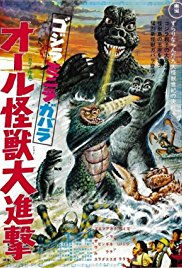
BONUS FILM FOR TRACK 2 AND 4-After you’ve watched these tracks, when ya get the itch for either big kaiju action or supreme cheese, pop in the Showa Era entry All Monsters Attack (AKA Godzilla’s Revenge). This mainly contains stock footage of better films (including Ebirah and Son of Godzilla), but at just over an hour, this is a good way to get your quick fix.

BONUS TRACK- AMERICA DOES GODZILLA You will notice that Godzilla (1998) is missing from these lists. I don’t think you should watch it along with these tracks, but you should watch the following Americanized versions of several of the films on these tracks to get an idea of how the United States has handled the property, for better or worse-
SHOWA ERA Godzilla: King of the Monsters (1956) King Kong vs. Godzilla (American version) HEISEI ERA Godzilla 1985 (if you can find it, this is the Americanized version of Return of Godzilla) HOLLYWOOD PRODCUCTION Godzilla (1998) MILLENNIUM ERA Godzilla 2000 (American version) HOLLYWOOD PRODUCTION Godzilla (2014)
You can find most of these pretty easily, and they are a pretty good indicator what America often gets wrong about the Big G, but also some of what they get right. The first King of the Monsters is a pretty respectful version of the original, but King Kong vs. is a great example of what NOT to do. In King Kong vs and 1985, we see more heavy editing and new scenes added a la King of the Monsters, but in this case the scenes add very little. 1985 has a particular change that shifts blame to the Soviet Union that comes across as distasteful. The 1998 comes off as a poor imitator of the Big G, and also a classic example of a 90s blockbuster. Godzilla 2000 shows you what a few simple edits can really do. The US product is a vastly different beast than its Japanese counterpart, but it doesn’t cut any real substantial scenes. Finally, hit the 2014 Godzilla film to see Hollywood Godzilla flick done right.

Comments