


57. MEDIA


There is little, if any media training on the tennis tour. Possibly a little the higher up you go but nothing of note, so your player needs to be prepared. If she wins matches, even at a junior level, she will be asked to comment and maybe more, even make a speech of some kind. And if she loses, she may well also be expected to say something – which can be the toughest thing you have to do if you have just lost a match and are totally heartbroken.
Be prepared too for a camera to be thrust in your face. Even at junior level, if a match is on live TV, which many of the higher level junior events are (especially in South America), then the TV cameras will be there, following your every move, even at change of ends. So take note. Be careful how you sit and what you do. Big Brother is watching you!

No one really prepares the players for this – maybe they do in the higher echelons of the WTA and ATP – but the ‘training’ should happen much lower down the scale – even at junior level. The junior players who play the Grand Slams certainly get exposed to the media. They are ‘expected’ to fulfil media duties and do interviews. Now this can be exciting and the attention can be welcomed, but some kind of preparation for such eventualities could be useful! The introduction of the UK Pro League and Progress Tour events have helped for sure and certainly, the British players have had a chance to experience on court interviews and requests to do podcasts. This can only be a good thing.
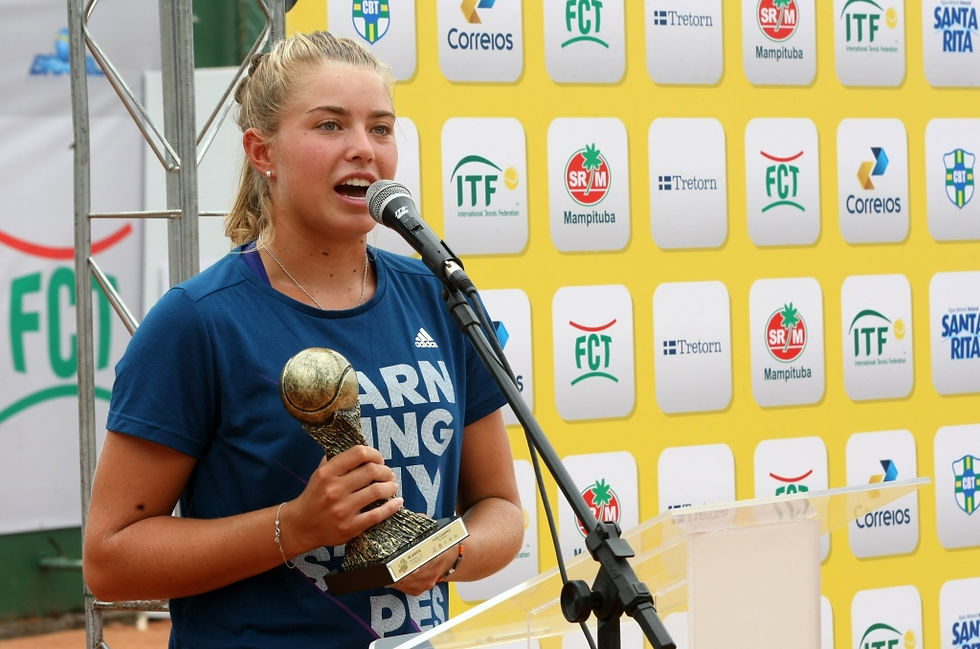
Most of the players are very good at post match speeches but the majority of these are, in my opinion, quite dull but then again, it takes a character to make these occasions more interesting and entertaining. The majority rattle off the same old stuff – thanking their team, the ball kids, the sponsors, the organisers, etc but some, Li Na, being a prime example, can pull off something very entertaining. If you haven’t done so already, check out her Australian Open 2014 winner’s speech on YouTube!
Now obviously, there is no need to spend hours training tennis players on their public speaking skills, but do give your player a mental crib sheet of who she needs to thank just in case, or as and when, she gets into that position on the podium, and if she can speak the local language, even for just a few words, then that will go down really well with the crowds! Remember when Serena Williams spoke in french when she won the French Open in 2013 – it may not have been with the best accent or completely grammatically correct, but it was appreciated.
******************************************************
If you have enjoyed this blog, please follow, share and read more at http://www.realitytennis.WordPress.com and subscribe to receive e mail notification of upcoming blogs as they are released. Follow also at:
Twitter: @realitytennis
Instagram: realitytennis
If you have similar stories to share, please feel free to e mail the author at: sallyappleton64@gmail.com

Comments